Last updated November 18, 2026
Seasonal ADU Care for Henderson: Year-Round Homeowner’s Guide
Henderson recorded 18 days above 110°F in summer 2023. That single number explains why a maintenance calendar built for a temperate climate fails here. A neglected HVAC filter from April through July can cut system efficiency by 15% and add $200 – $400 to a cooling bill in a 500 sq ft ADU with no thermal mass. Then December arrives, the desert flips, and a single unprotected hose bib can split a copper line behind a finished wall. This guide walks you through both cycles – the heat load that runs May through October and the brief, real freeze risk in December and January – so your Henderson ADU stays a performing asset instead of a repair line item.
Quick Answer
ADU maintenance in Henderson splits into four seasonal windows: a May – June pre-season pass (HVAC service, roof penetration sealing, UV caulk inspection), a July – September monsoon pass (drainage channels, weatherstripping, pest entry points), an October – November transition (water heater anode rod, exterior paint assessment), and a December – January freeze check (hose bibs, exposed pipes, pilot light). Roof work and anything touching plumbing or the electrical panel belongs to a trained professional, not a weekend checklist. Under NRS 118A, structural, plumbing, and habitability repairs remain the landlord’s responsibility even when a tenant handles routine tasks.
Table of Contents
- Why Henderson’s Climate Treats Your ADU Differently
- May – June: The Pre-Season Checklist
- July – September: Monsoon and Peak Heat Tasks
- October – November: The Transition Window
- December – January: Freeze Risk in the Desert
- Tenant-Assignable vs. Landlord-Required Tasks Under NRS 118A
- Prefab and Modular ADUs Need Their Own Schedule
- Common Mistakes to Avoid
Why Henderson’s Climate Treats Your ADU Differently
Most national maintenance guides are written for a climate that gets one mild summer and one mild winter. Henderson gets neither. What it gets is a long, punishing heat cycle followed by a short, sharp cold cycle, and an ADU – typically a smaller structure with less thermal mass than the main house – absorbs both extremes faster than the primary residence does.
Three local factors drive the schedule:
- UV load. Henderson sits at roughly 2,000 feet with intense year-round sun. Exterior caulk, weatherstripping, and paint degrade on a UV clock, not an age clock. Sealant that would last five years in a coastal climate can crack in two here.
- Monsoon season. July through September brings sudden, high-volume rain after months of dry ground. Water that sheeted off a hard-baked yard in June now pools against a slab in August. Drainage is a seasonal problem, not a static one.
- Freeze nights. December and January routinely drop below freezing after dark. Desert plumbing is often run through exterior walls or uninsulated attics because the code assumed mild winters. One hard night finds every weak point.
A 500 sq ft ADU with a single mini-split and a tank water heater feels every one of these shifts. The maintenance calendar in this guide exists because a Henderson ADU experiences two genuinely different buildings over the course of a year – a heat-stressed one and a freeze-exposed one – and each needs its own pass. If you’re still in the design phase, our team at Ellery ADU Studio Henderson home builds the maintenance realities into the drawings, from roof pitch to pipe routing.
May – June: The Pre-Season Checklist
This is the most important window on the Henderson calendar. Everything you do in May and June determines how the ADU performs through the five-month heat load. Do it in the mild weeks before the first 100°F day, not after it arrives.
- Schedule HVAC service. A full service – coil cleaning, refrigerant check, filter replacement – before the system runs continuously. A dirty filter compounds across the season; a clean system from day one holds efficiency through October.
- Inspect and reseal roof penetrations. Every vent, flue, and skylight curb is a leak candidate. UV cracking around flashing shows up in June and leaks in August. This is height work – it belongs to a trained professional, not a homeowner on a ladder in 105°F.
- Walk the exterior caulk lines. Check every joint where siding, trim, and window frames meet. If the caulk is chalky, cracked, or pulling away, it has already failed. Re-caulk before the thermal expansion of peak summer widens the gaps. James Hardie siding holds up well to Henderson UV, but the sealant joints around it still age on the local clock.
- Test the ADU’s smoke and CO detectors and replace batteries. Heat and dust both accelerate detector failure.
- Clear the condensate line. A clogged AC condensate drain in July means water damage inside a wall by August.
- Check attic and wall insulation for gaps or settling. Insulation is the difference between a $90 cooling bill and a $300 one in a small structure.
If your ADU is a garage conversion, pay particular attention to the door opening and the transition to the original slab – those are the two spots where summer heat and winter cold both find a way in. Our guide to Garage Conversion ADU in Henderson covers the thermal details of that build type.
July – September: Monsoon and Peak Heat Tasks
Henderson’s monsoon months combine the highest heat with the only meaningful rain of the year. The tasks shift from “prepare” to “protect.”
Drainage channel inspection
Walk the perimeter after the first real storm and note where water stands. The ground here is hard and slow to absorb, so a drainage swale that worked in spring can fail once soil compacts. Clear any channel, French drain, or downspout extension that feeds water away from the ADU slab. Standing water against a foundation is the single most common source of monsoon-season water intrusion.
Door and window weatherstripping
Weatherstripping degrades on both fronts in these months – heat dries it out, and wind-driven rain tests it. Run a hand along every door and window seal. If you feel air moving or see daylight, the strip has failed. This is also the season when a worn threshold lets monsoon water in under the door.
Pest entry-point audit
Desert pests – scorpions, roof rats, ants – move toward cooler, wetter shelter as the heat peaks. Check the base of every wall, the utility penetrations, and the gap under doors. Seal with appropriate material, not spray foam alone, which UV degrades quickly outdoors.
Keep the HVAC filter on a 30-day change schedule from July through September; this is the peak-load window where a clogged filter costs the most. Every visit from our team includes a documented photo record of what we found and what we did, so you have evidence of the ADU’s condition through the worst of the season rather than a vague memory of how it seemed.
October – November: The Transition Window
October and November are the calm before the freeze, and they’re the second-most-important window on the Henderson calendar. The heat load is dropping, the freeze hasn’t arrived, and you have a few weeks to catch what summer wore out.
- Water heater anode rod check. The sacrificial anode is what protects the tank from corrosion. In Henderson’s water – which runs hard – the anode can be consumed faster than the manufacturer’s general guidance suggests. Have it inspected; if it’s more than half gone, replace it. A $40 rod replacement beats a $1,500 tank swap.
- Exterior paint assessment. Look for chalkiness, fading, and hairline cracking on the south and west faces – the two that take the most UV. Repaint or touch up before the UV index drops, because paint cures better in mild weather than in the cold of January.
- Roof and gutter cleanup. Clear debris from gutters and downspouts before the winter rains arrive so water has a clean path away from the ADU.
- HVAC heating check. If the ADU has a heat pump or a system with heating capability, have it tested now, not in the first cold snap when every technician in Henderson is booked.
- Inspect door sweeps and thresholds for the freeze season – a gap that let hot air in during summer will let cold air in during winter.
This is also the right month to review your written documentation from the year. If your ADU was built by a design-build studio, you should have the permit set, the photo record, and the written warranty all in one place. Our ADU Design & Permitting in Henderson process produces exactly that package – drawings, permit set, and construction under one contract – so the winter check has a baseline to compare against.
December – January: Freeze Risk in the Desert
This is the section most ADU owners skip, and it’s the one that causes the most expensive damage. Henderson is a desert, but December and January nights drop below freezing with regularity, and desert plumbing was often installed on the assumption that they wouldn’t.
- Insulate every hose bib. An unprotected exterior spigot is the first thing to split. Foam covers cost a few dollars and take two minutes.
- Audit exposed pipe runs. Look in the attic, the crawl space, and along exterior walls for uninsulated supply lines. If the ADU has plumbing in an exterior wall cavity, that line is the most freeze-vulnerable part of the building. Insulating it properly is a trained-plumber task, not a wrap-it-yourself job.
- Confirm the water heater pilot or ignition is functioning. A tank heater that fails during a freeze night leaves you with no hot water and, in some setups, a vulnerable tank.
- Disconnect garden hoses from every spigot. A connected hose traps water in the bib and guarantees a split on the first hard freeze.
- Know the shutoff. Every ADU occupant should know where the main water shutoff is. A split pipe found fast is a mop-up; found slow, it’s a rebuild.
Set a reminder for the first forecast below 32°F each year and run this list. If you leave Henderson for the holidays, shut off the ADU water supply at the main and drain the lines before you go. Roof, plumbing, and electrical work all carry real injury and damage risk – have a licensed professional handle the pipe insulation and any electrical checks rather than working near live panels or on ladders in cold, wet conditions.
Tenant-Assignable vs. Landlord-Required Tasks Under NRS 118A
If you rent out your Henderson ADU, the maintenance line between you and your tenant is set by Nevada law, not by a handshake. NRS 118A, the state’s residential landlord-tenant statute, keeps certain obligations with the landlord no matter what the lease says. Get the split wrong and you can be liable for repairs you thought the tenant owned.
Tasks a tenant can reasonably handle:
- Changing HVAC filters on the schedule you set
- Testing smoke and CO detectors and reporting failures
- Clearing visible debris from gutters at ground level
- Disconnecting hoses before a freeze and reporting exposed or leaking pipes
- Keeping drainage channels and swales clear of leaves and yard debris
- Reporting pest sightings and sealing minor interior gaps
Tasks that must remain with the landlord under NRS 118A:
- Structural repairs and roof work
- Plumbing and water heater repairs
- Electrical system repairs
- Anything affecting habitability – heat, water, and safe wiring
- Pest infestations that require professional treatment
- Code-compliance issues surfaced by inspection
Put the assignable list in the lease in plain language, give the tenant a written filter schedule, and keep the landlord-only items as your responsibility. That written clarity protects both sides.
Prefab and Modular ADUs Need Their Own Schedule
If your Henderson ADU is a prefab or modular unit, the seasonal calendar is the same but the details shift. We specify and coordinate systems from brands like Boxabl, Plant Prefab, and Tuff Shed, and the maintenance rhythm differs by system.
Factory-built units generally have tighter envelopes and more predictable thermal performance than site-built conversions, which softens the summer heat load but doesn’t eliminate it – the HVAC still needs its May service and its 30-day filter change in peak summer. Where prefab owners get surprised is at the seams: panel joints, roof-to-wall connections, and utility penetrations are the spots where monsoon water and freeze exposure find their way in. Inspect those seams in the pre-season and again in the transition window.
Modular units with tank water heaters still need the October anode check. Units on a slab still need the monsoon drainage walk. The climate does not care how the ADU was built. What changes is which specific joints and systems you’re watching. If you’re planning a new build and want the maintenance realities designed in from the start, our team covers it under New Detached ADU in Henderson.
Common Mistakes to Avoid
- Running the HVAC on a spring filter through August. The filter is the cheapest efficiency lever in the building. Skipping the 30-day change in peak heat is the fastest way to a $300 cooling bill on a 500 sq ft ADU.
- Treating the desert as freeze-proof. Henderson gets below-freezing nights every winter. Homeowners who skip the December hose-bib and pipe audit are the ones paying for a wall rebuild in February.
- Resealing only in the fall. UV damage happens in summer. Caulk inspected only after the damage is done has already failed. Check it in May and again in October.
- Clearing the drainage channel once and assuming it stays clear. Monsoon flow moves debris. Walk the perimeter after the first real storm, not just before the season.
- Leaving structural, plumbing, and electrical repairs to a tenant. NRS 118A keeps those with the landlord. A lease clause doesn’t override the statute.
- Climbing onto the roof in peak summer heat to check flashing. Heat illness and falls are the real risks. Roof penetrations are a trained-professional task in Henderson.
- Skipping the water heater anode rod because the tank is “new.” Henderson’s hard water consumes anodes faster than general guidance suggests. Inspect it in the fall regardless of age.
When to Call a Professional
Some tasks belong on your calendar. Others belong to a licensed trade. Call a professional for anything on the roof, anything involving plumbing inside a wall, anything touching the electrical panel, water heater repairs, pest infestations that need treatment, and any freeze damage you find after a cold snap. Our technicians have up to 11 years of experience and are background-checked, and every project we take on runs under one contract at one written price – the same standard behind our 365-Day Done Right Promise. Ellery ADU Studio Henderson offers free estimates in Henderson. Call (833) 632-6140 to schedule yours, and if you already have a written estimate in hand, ask for a free second opinion before you sign.
Frequently Asked Questions
Service it once in May before the heat load arrives, and change the filter every 30 days from June through September. Henderson’s summer runs five months, and a 500 sq ft ADU with no thermal mass puts continuous load on the system. A neglected filter across that window can cut efficiency by 15% and add $200 – $400 to the cooling bill. Call (833) 632-6140 for a free estimate on seasonal service.
Yes. Henderson gets below-freezing nights in December and January, and much of the local plumbing wasn’t installed for a hard freeze. Insulate hose bibs, disconnect garden hoses, and audit exposed pipe runs before the first cold snap. Call (833) 632-6140 if you want a professional to check the pipe insulation and shutoff.
Tenants can handle filter changes, detector testing, ground-level debris clearing, and reporting issues. Structural repairs, plumbing, electrical work, water heater repairs, and habitability items stay with the landlord under NRS 118A regardless of what the lease says. Put the split in writing. Call (833) 632-6140 for a free estimate on repairs the statute keeps with you.
In May, before peak UV, and again in October after the summer. Henderson’s sun degrades sealant on a UV clock, so a joint that looks fine in spring can be chalky by July. Catching it in the pre-season reset extends the life of the seal and prevents monsoon water intrusion. Call (833) 632-6140 for a free estimate on exterior sealing.
Routine tasks – filter changes, weatherstripping, hose-bib covers – run from a few dollars to a few hundred depending on scope. Water heater anode rod replacement, HVAC service, and pipe insulation are larger line items. Every project we quote comes with a written price before any work starts, per Haven Standard Clause 1, so you know the number before you agree. Call (833) 632-6140 for the exact figure.
The seasons are the same, but the failure points differ. Prefab and modular units like those from Boxabl or Plant Prefab have tighter envelopes, so the summer heat load is softer. The vulnerabilities move to panel joints, roof-to-wall seams, and utility penetrations – inspect those in the pre-season and again in October. Call (833) 632-6140 for a free estimate on seam inspection and resealing.
The Bottom Line
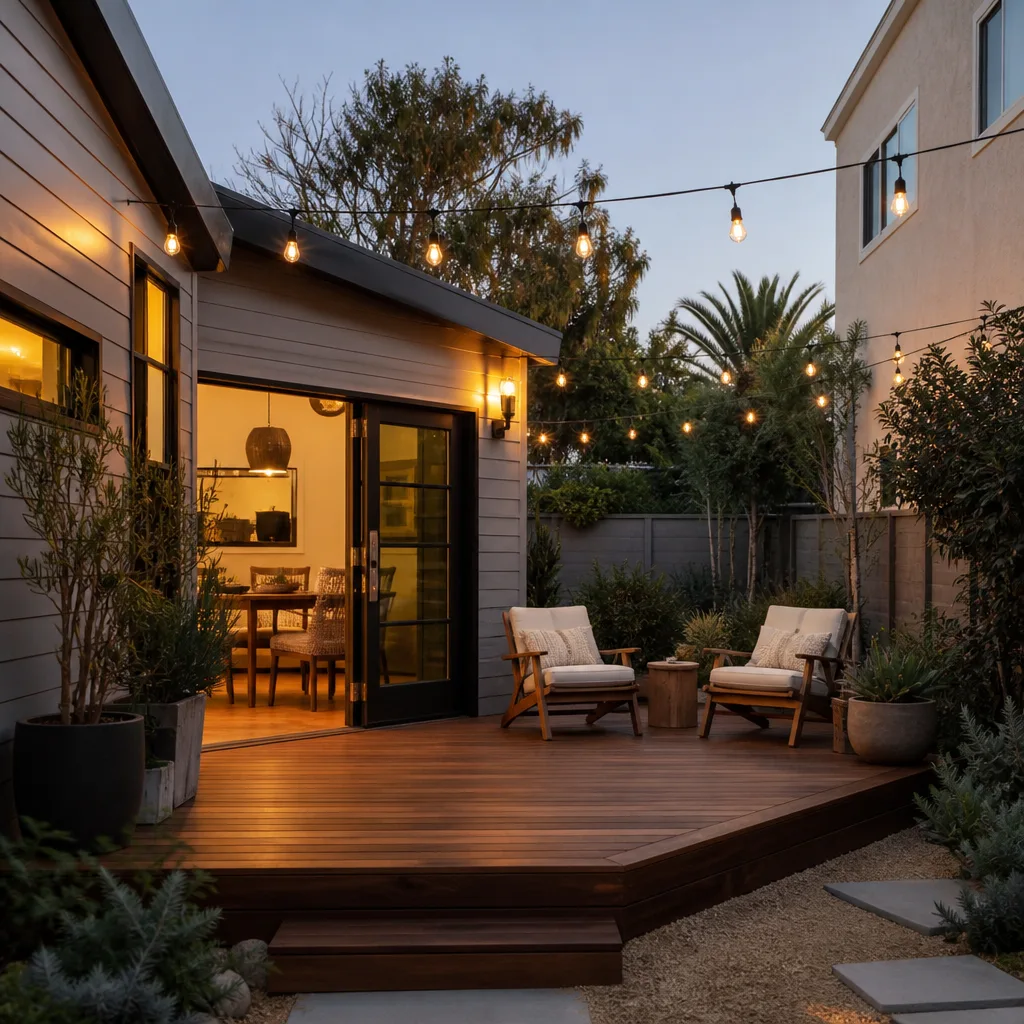
Henderson runs two maintenance cycles a year, not one. The May – June pre-season pass and the July – September monsoon pass protect the ADU through five months of heat and the one rain window that matters. The October transition and the December freeze audit catch what the summer wore out before winter finds it. Keep the HVAC filter on a 30-day schedule in peak heat, reseal exterior caulk twice a year, and know where your water shutoff is. Leave the roof, plumbing, and electrical work to licensed professionals. Get the tenant-landlord split in writing under NRS 118A. If you want a written, no-surprise scope for any of it, our team is here – and a live person answers the phone 24/7.
Call (833) 632-6140 today to schedule your free estimate. If you already have a written estimate from another contractor, we’ll give you a free second opinion on it before you commit. Every project we take on comes with a written price before work begins, a documented photo record on every visit, and our 365-Day Done Right Promise.
Written by the team at Ellery ADU Studio Henderson.